
Exploring the Role of Shinar in Early Civilizations

[ez-toc]
Shinar is a region historically associated with the ancient lands of Mesopotamia. This area hosts some of history’s earliest civilizations and is famously linked to stories of human ambition.
The narrative of a tower reaching the heavens highlights humanity’s attempts and the resulting diversity of languages. The story emphasizes the region’s role in early human history.
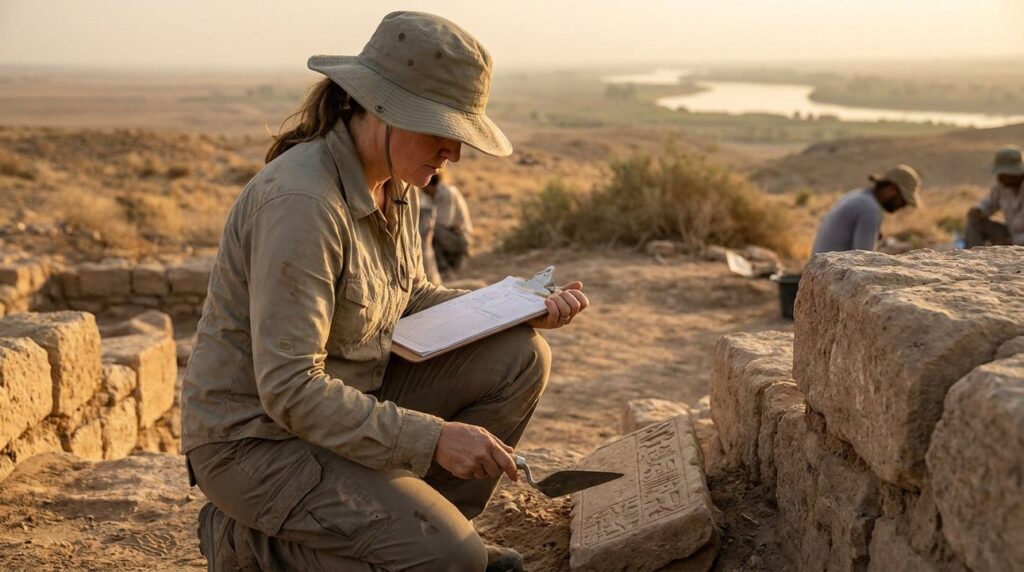
Mesopotamia, often referred to as the “Cradle of Civilization,” includes the fertile lands between the Tigris and Euphrates rivers. This area saw the rise of significant cultures such as the Sumerians and Akkadians. The city of Babylon, located in Shinar, became a major center of power and culture. Archaeological finds, including ancient tablets and artifacts, provide insights into the daily life and governance of these early societies.
What and Where Is Shinar?
Shinar is often equated with the southern region of ancient Mesopotamia. This fertile area was the cradle of early civilizations like Sumer and Babylon. Its rich soil supported the growth of cities and kingdoms.
Historically, Shinar played a significant role as the seat of early empires. It is referenced as the heart of Nimrod’s kingdom, underpinning its prominence in early history. The cities of Ur and Uruk, located in Shinar, were centers of cultural and technological innovation.
The region’s contributions to writing, mathematics, and astronomy laid the foundations for future civilizations. The legacy of Shinar is evident in the archaeological remains that continue to be studied, showing the complexities of early urban life and governance. The historical and cultural role of Shinar remains a subject of fascination for scholars and enthusiasts alike.
The term ‘Shinar’ appears in several historical texts, often as a shorthand for broader Mesopotamia. This association is crucial for understanding the spread of early cultural and technological developments.
The Mesopotamian setting underscores its importance in narratives where human ambition and interaction unfold. In short: Shinar’s location in Mesopotamia made it central to early civilizations. The region’s fertile lands supported growth, fostering advancements in writing, law, and architecture.
Shinar is mentioned as part of Nimrod’s kingdom, highlighting its prominence in early history. The region’s strategic location facilitated trade and cultural exchanges, contributing to its development as a hub of innovation and learning.
The Tower of Babel: Shinar’s Iconic Historical Event
Perhaps the most famous account involving Shinar is the Tower of Babel. The story describes humanity’s attempt to build a tower reaching the heavens. This narrative unfolds in the plains of Shinar, showcasing the hubris of man and the subsequent intervention.
The narrative explains the origin of different languages, framing Shinar as a place of pivotal human events. For many, Babel’s tale in Shinar illustrates themes of unity, ambition, and the complexities of human endeavors.
The Tower of Babel symbolizes humanity’s collective pursuit of greatness, albeit misdirected. The outcome, a division of languages, speaks to the limits of human enterprises.
In essence: Through the Tower of Babel, Shinar becomes a metaphor for human ambition and the complexities of interaction. The narrative serves as a cornerstone of historical tradition, illustrating the themes of unity and diversity that resonate through time.
The story of Babel reflects on the consequences of human pride and the importance of humility. It serves as a reminder of the need for cooperation and understanding among diverse peoples. The division of languages is seen as an intervention that encourages cultural richness and diversity.

The Archaeological and Historical Context of Shinar
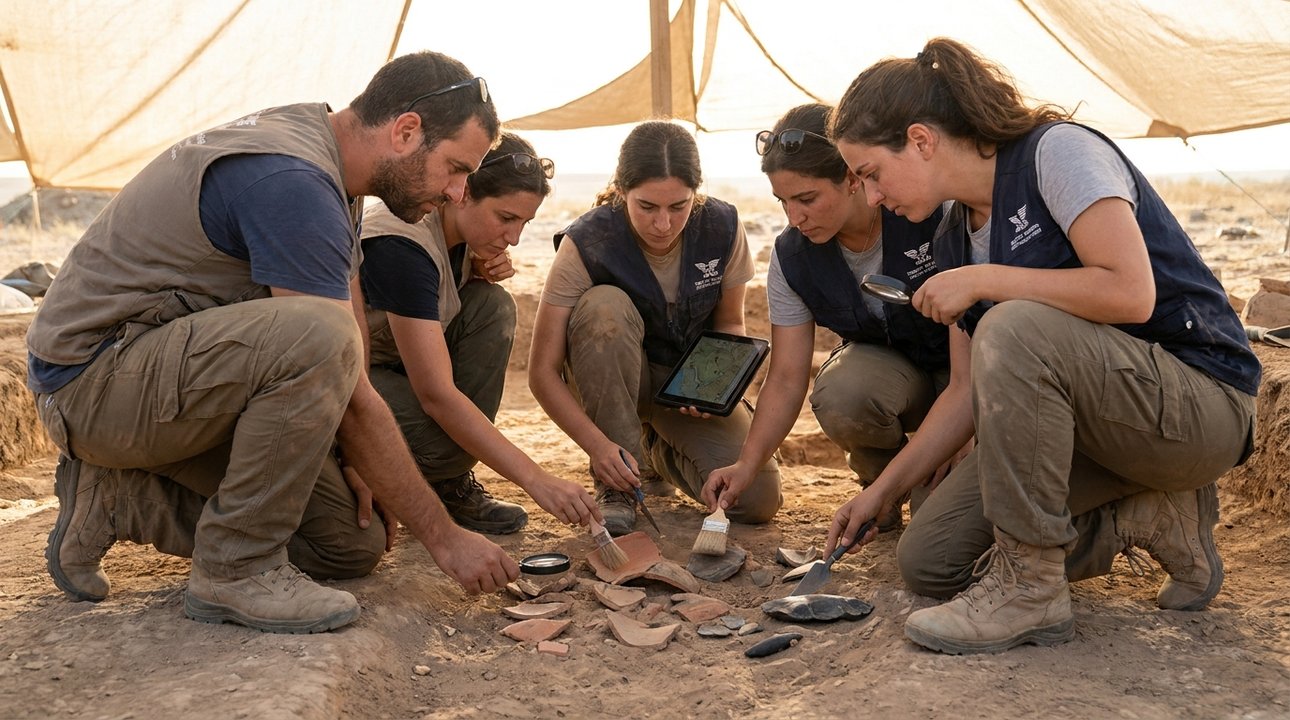
Archaeologically, the areas corresponding to Shinar-Sumer and Akkad-have yielded rich insights into early human societies. These uncovered artifacts illustrate the advancements in writing, architecture, and governance.
Excavations in locations like Ur and Babylon align with historical references to Shinar, providing tangible links between accounts and historical evidence. Such connections enrich the study of history, offering context for Shinar’s recurring presence in narratives.
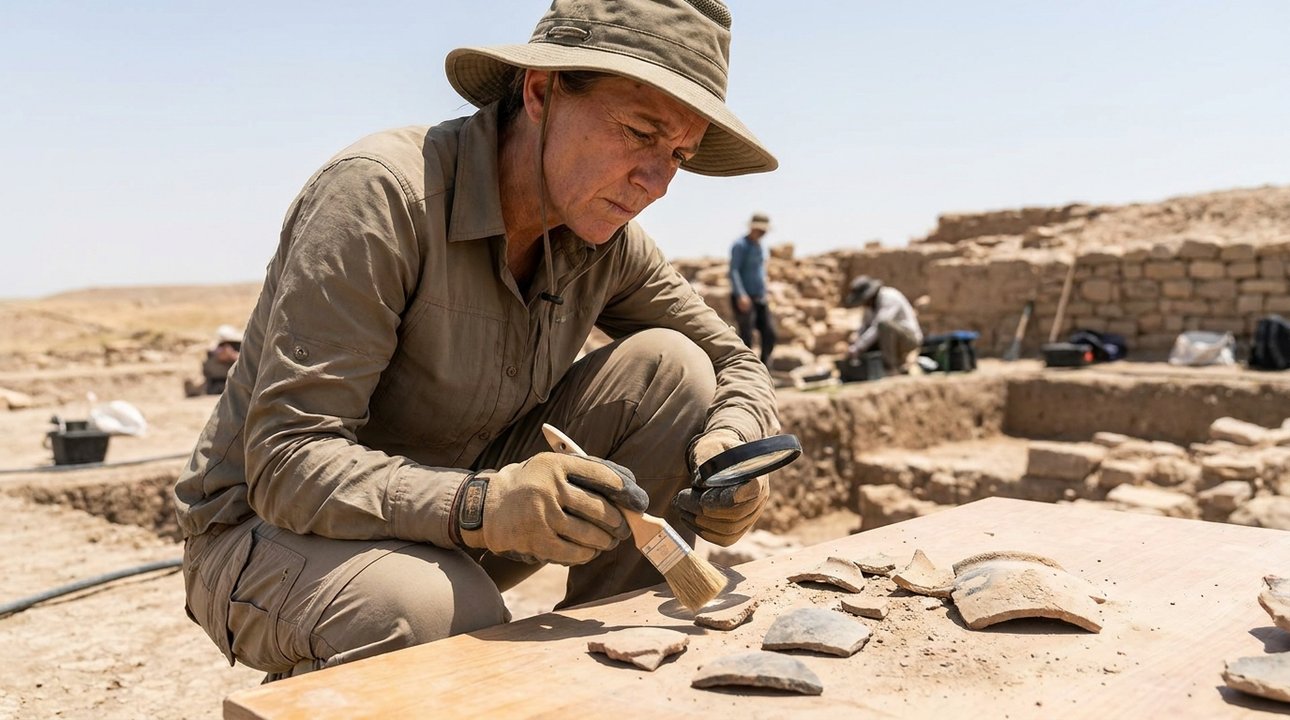
Moreover, cuneiform tablets, ziggurats, and city ruins paint a vivid picture of life in Shinar. These finds suggest a thriving culture with complex social structures. Through archaeology, Shinar is not just a name but a cornerstone of ancient culture.
The ziggurats, massive stepped structures, served as religious and administrative centers. They reflect the architectural and technological advancements of the time, underscoring Shinar’s importance in the ancient world.
Its dual representation in history as a cultural hub underscores its narrative importance. The artifacts and ruins from Shinar offer a glimpse into the sophisticated societies that once thrived there. These discoveries enhance our understanding of the ancient Near East and its influence on subsequent cultures and religions.
Shinar in Later Historical and Jewish Thought
Beyond its initial appearances, Shinar is referenced in later texts. Its setting recurs in discussions of exile and return, pivotal themes in Jewish literature.
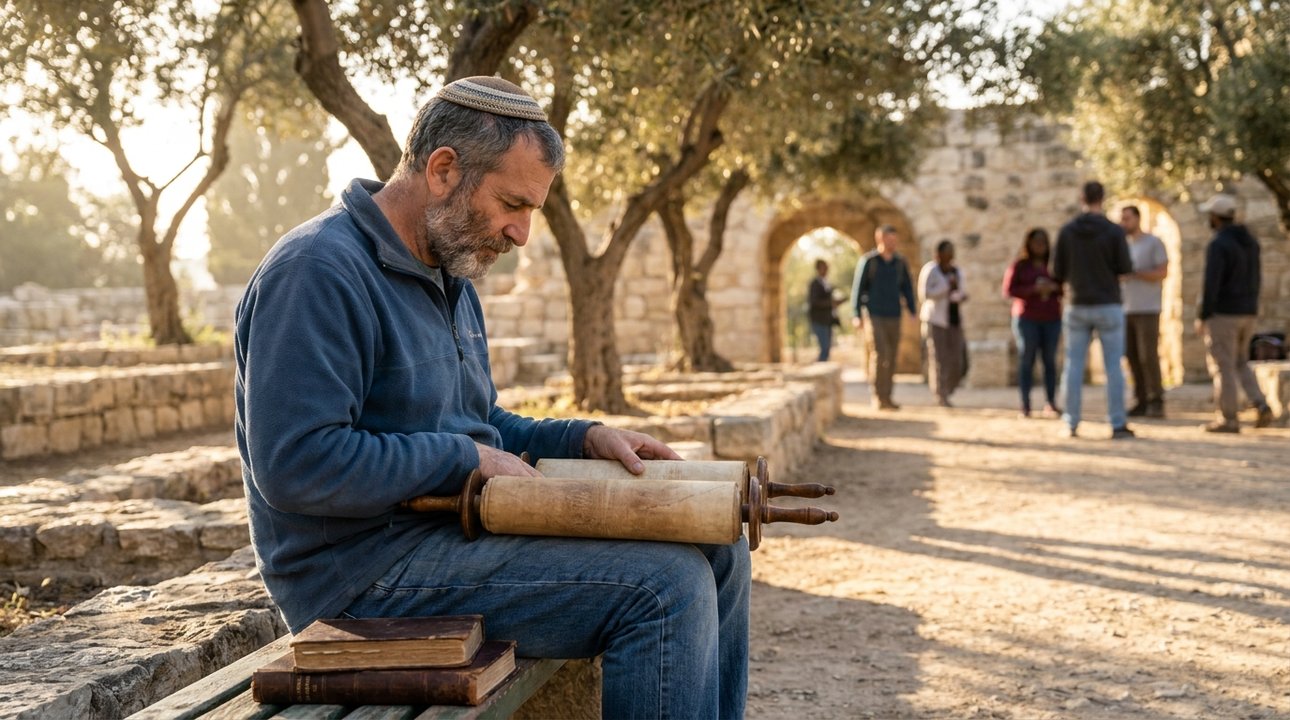
For instance, Shinar is mentioned in the book of Daniel, highlighting its continued resonance in exile narratives and Jewish thought. These layers of meaning extend Shinar’s significance from a mere geographic location to a symbol of both past challenges and future hope.
The Jewish diaspora’s literary and theological treatments of Shinar demonstrate its lasting influence. Shinar becomes a symbol of dispersion, divine judgment, and eventual redemption.
In Jewish thought, the story of the Tower of Babel is often seen as a cautionary tale about the dangers of pride and the need for humility. The scattering of people from Shinar is interpreted as a divine act that ultimately leads to the diversity and richness of human cultures.
In summary: Shinar remains a potent symbol across Jewish religious discourse, intertwining with themes of challenge and restoration. The region’s historical and spiritual narratives continue to resonate, offering lessons on unity and diversity. Jewish texts often reflect on Shinar’s role in shaping the moral and ethical foundations of society.
Modern Reflections on Shinar
In contemporary times, Shinar captivates both scholars and readers seeking a deeper connection to history. Its symbolic role in the Tower of Babel narrative offers enduring lessons on human endeavor and unity.
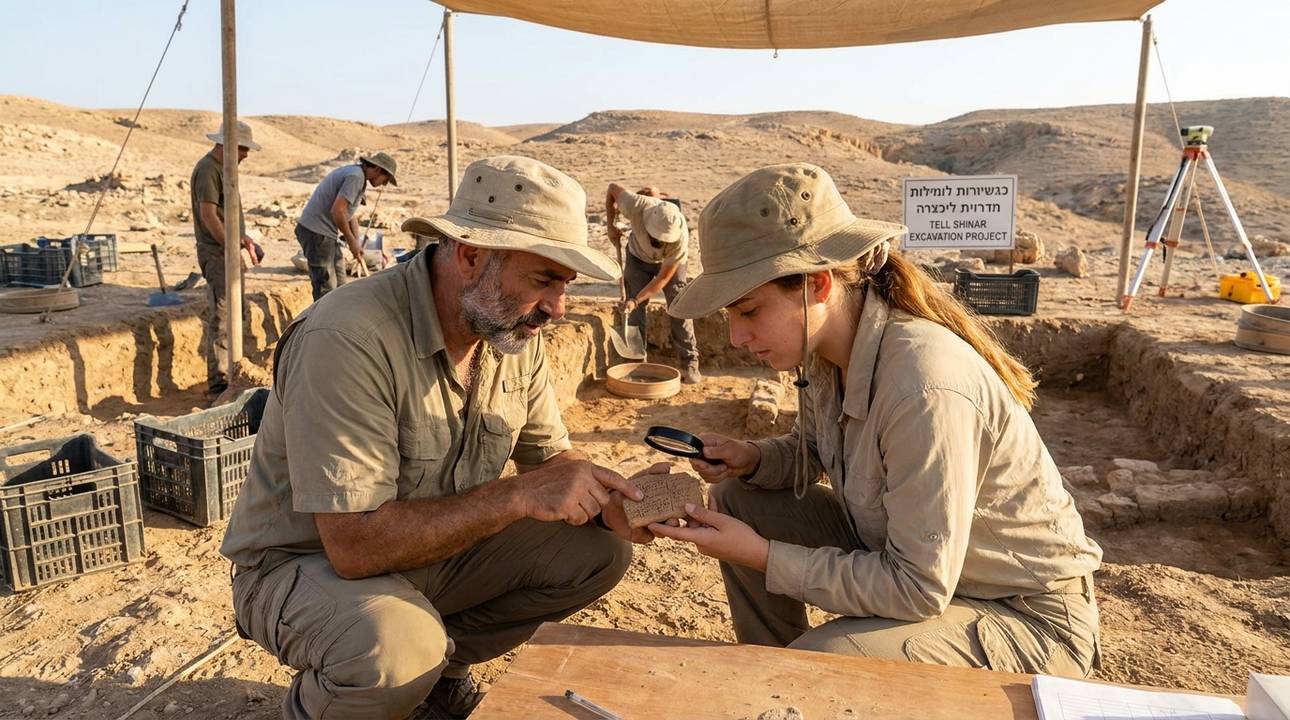
Modern archaeological efforts continue to reveal layers of Shinar’s past, providing new perspectives on its portrayal and significance. Excavations have unearthed artifacts that illuminate the daily lives of its inhabitants, from trade to cultural practices.
The region’s history is complemented by its cultural impact, as Shinar’s stories are still remembered in discussions on human ambition and the quest for knowledge. The ongoing exploration of Shinar’s archaeological sites promises to uncover further insights into its ancient cultures.
The global interest in Shinar is part of a broader fascination with the cradle of civilization. As scholars uncover more about this region, it enriches our understanding of history. Archaeological excavations in Mesopotamia have revealed layers of history, from the early settlements to the grandeur of Babylon. These discoveries help bridge the gap between accounts and historical records, offering a fuller picture of the past.
Shinar stands as a sign of the interconnectedness of history, faith, and modern discovery. The region’s significance is not only historical but also cultural, as it is still remembered and inform religious and academic studies. The ongoing research into Shinar and its cities, like Uruk and Eridu, sheds light on the development of writing, law, and urban planning.
Conclusion: the Legacy of Shinar
Shinar, with its roots in the fertile lands of Mesopotamia, continues to intrigue as both a historical symbol. Its narratives of ambition, unity, and dynamics resonate with many.
As we uncover more about Shinar’s past, its stories remain pivotal in understanding human history. In conclusion: Shinar connects past events with ongoing discovery.
Understanding Shinar's Role
