
Exploring the Desert of Zin: A Historical Journey

[ez-toc]
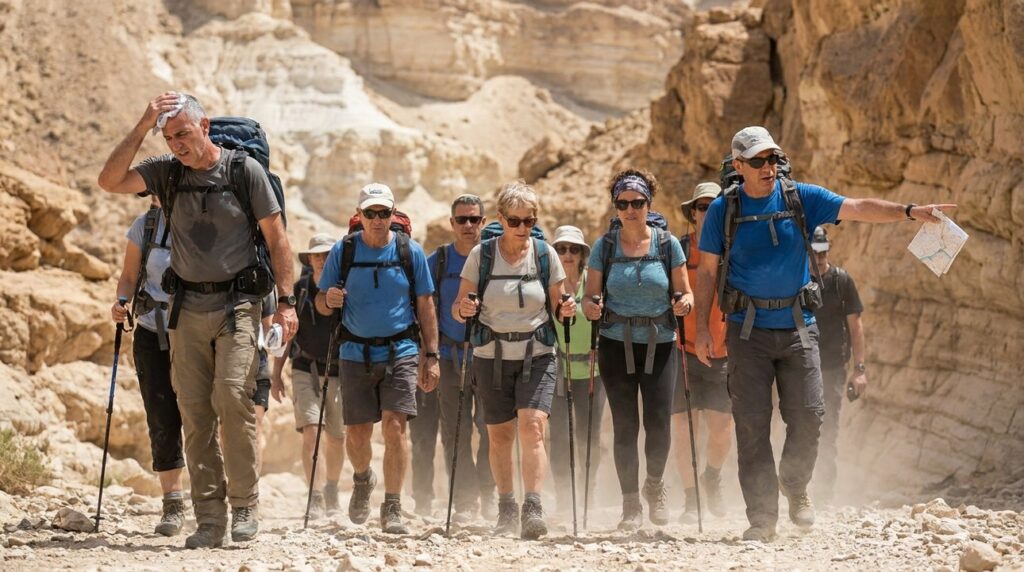
The Desert of Zin is a significant stretch of wilderness referenced in historical texts, particularly in the context of ancient journeys. Located in southern Israel, this region bears historical narratives and is often associated with the Israelites’ journey. Bordered by the Negev Desert and the Arava Valley, it is a crucial geographic area. Understanding its geography is essential for grasping its role in historical stories. The harsh climate and challenging terrain were significant factors in the stories of the Israelites’ wanderings.
In this article, we’ll delve into the features and maps of this region, highlighting its connections to pivotal historical events, such as the Israelites’ encampment.
This area was a significant location for the trials faced by the Israelites, including the incident at Kadesh where a rock was struck to bring forth water.
The Desert of Zin serves not only as a physical location but also as a symbol of endurance and perseverance, reflected in various accounts of resilience.
The maps reveal the challenging terrain that the Israelites had to navigate during their journey. The area’s rugged landscape and limited water resources are key elements in understanding the trials described in historical narratives.
By exploring these maps, readers can gain a deeper appreciation for the region’s role in narratives, underscoring its importance as a site of both physical and cultural trials.
What Is the Desert of Zin?
This vast wilderness area is mentioned in historical texts as part of the Israelites’ 40-year journey. Situated in the southern region of Israel, it borders the Negev Desert. Known for its arid landscape, the Desert of Zin was a significant challenge for the ancient travelers.
Historical texts mention it several times, highlighting its importance in the context of wandering and testing. This vivid geographic setting plays a critical role in Israel’s formative stories.
Geography and Terrain
The terrain is characterized by rugged limestone formations and sandy expanses. Located between the Arava Valley and the eastern fringes of the Negev Desert, it creates a unique and challenging landscape.
The harsh conditions reflect a landscape of cliffs and gorges, creating a challenging environment for ancient travelers. The region’s extreme climate and difficult access routes made it a notable location in historical narratives, including the Israelites’ wanderings and trials.
The geographical features played a significant role in the stories of the Israelites. The rugged terrain and limited water sources added to the challenges faced by the Israelites during their 40-year journey. This landscape not only tested their physical endurance but also their resilience, as they navigated the trials of the desert. The unique geography of the region continues to captivate visitors and researchers who seek to understand its historical and cultural role.
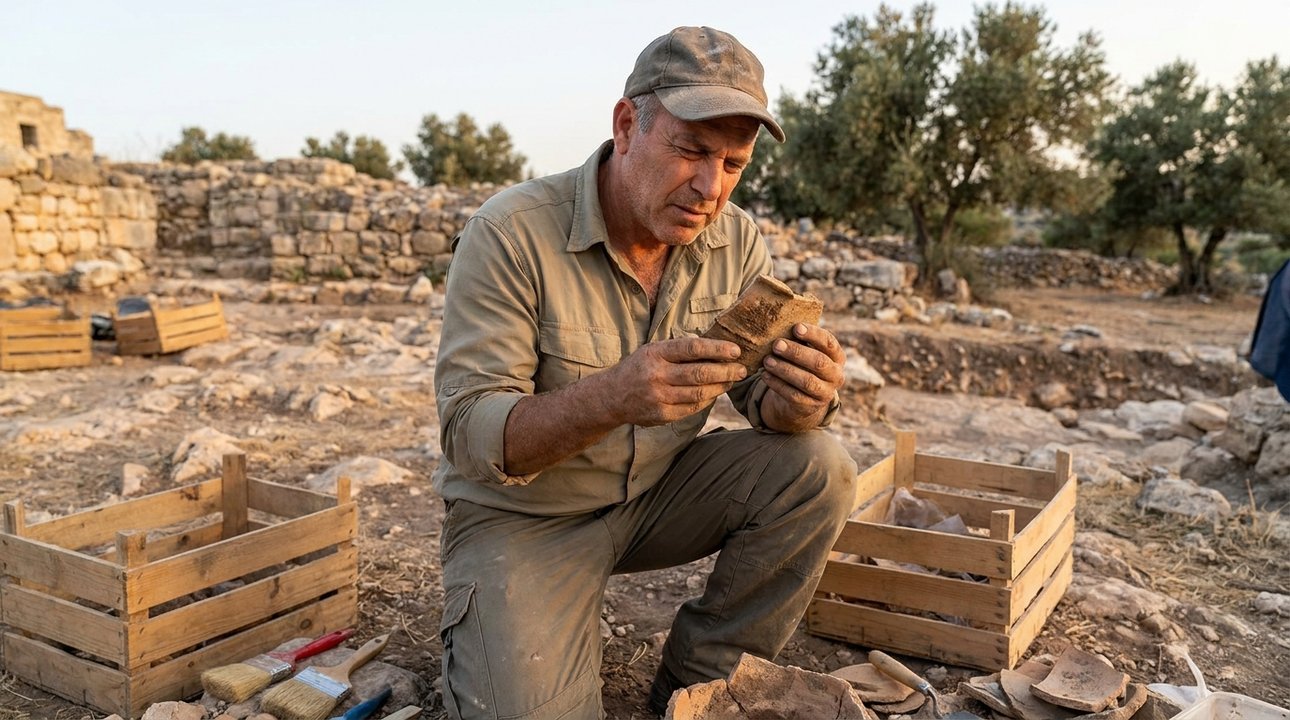
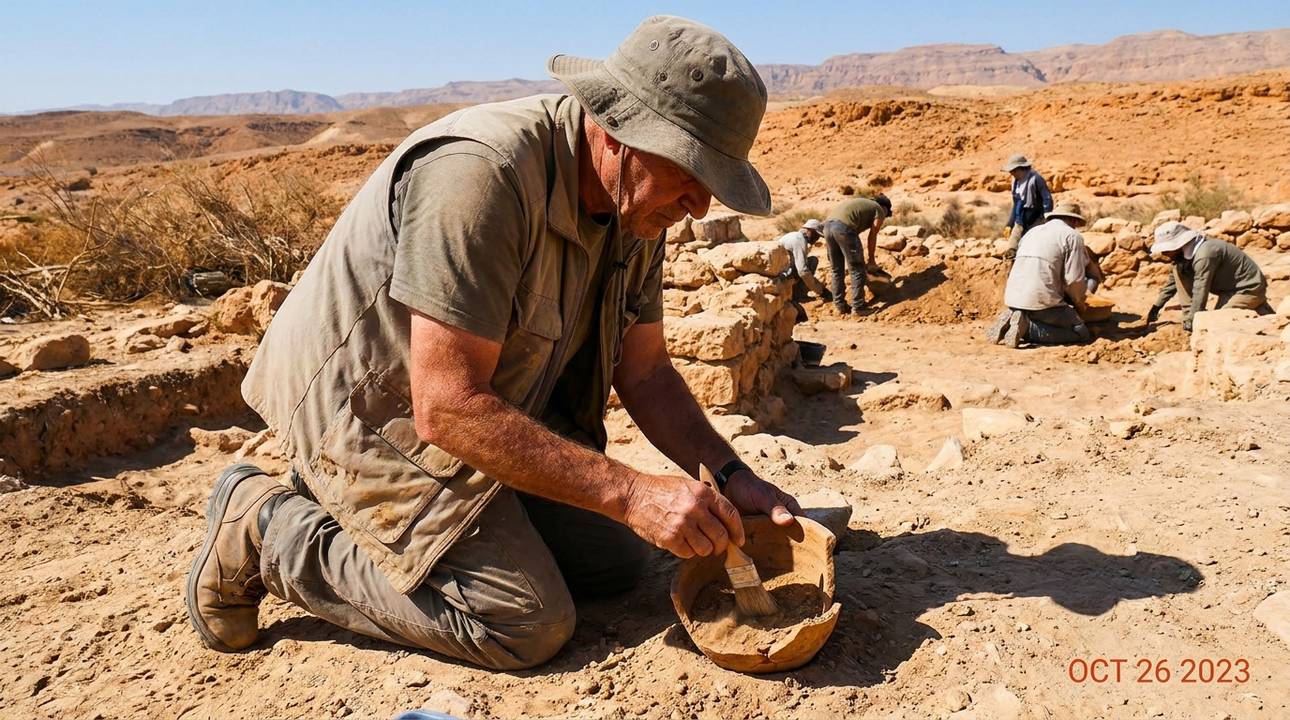
In archaeological studies today, this region continues to be of interest due to its history and the insights it offers into ancient life. The area’s geography, with its natural barriers and limited water sources, played a crucial role in shaping the events described in the Bible, such as the Israelites’ journey through the wilderness. Researchers have uncovered artifacts that shed light on the daily lives of those who traversed this harsh landscape, offering a glimpse into the past.
The archaeological findings, including pottery and inscriptions, provide valuable insights into the ancient cultures that once inhabited the region. These discoveries help piece together the historical context of events.
The ongoing research in the area not only enhances our understanding of the historical narrative but also contributes to the broader study of ancient societies. This region remains a vital site for archaeologists and historians alike, revealing the complexities of life in the ancient world.
Significance in History
This area is featured prominently in historical texts, particularly as the setting for the death of Miriam, a significant moment for the Israelites during their wanderings.
The area was where a rock was struck to bring forth water, an act that demonstrated both the challenges faced by the Israelites and the interventions they experienced. These events highlight its role in their journey.
Miriam’s death was a pivotal moment for the Israelites. It marked a transition in their journey and underscored the challenges they faced in the harsh environment.
The act of striking the rock to provide water further illustrates the significance of this place as a site of trial and intervention. These events are key elements in the narrative of the Israelites’ journey through the wilderness.
These stories underscore the importance of this place as a site of trial and intervention. It symbolizes testing and perseverance in historical tradition, serving as a backdrop for the Israelites’ struggles and moments of revelation. The region is thus a sign of the perseverance of the people who traversed it. The Israelites faced the challenge of finding water, leading to a pivotal event that highlighted their reliance on guidance. This act demonstrated both human perseverance and provision.
The role of this site as a setting for intervention is further illustrated where actions at the rock are recounted. These events emphasize its significance as a place where perseverance was tested and strengthened.
The harsh environment served as a crucible for the Israelites, shaping their journey and their relationship with the land. This narrative of struggle and revelation continues to resonate with those who study the historical texts and visit the region today.
The Route of the Israelites
The Israelites’ route through this region marks a key segment of their journey from Egypt to their destination. The area was part of their 40-year passage, as described in historical narratives, detailing their encampments.
Mapping their path provides insights into the logistical challenges faced by the Israelites, highlighting the difficulties of navigating such a harsh environment. Their journey through this area was marked by trials that tested their perseverance.
The accounts of the Israelites’ journey highlight the significance of this region in their quest. The harsh landscape and limited resources presented numerous challenges. The narrative of their journey offers a glimpse into the perseverance required to navigate this difficult terrain. These stories are still remembered by those who study the historical texts and visit the region today.
Understanding this route adds depth to our reading of the accounts. It reflects the interplay of geography and narrative found in texts, illustrating how the physical landscape influenced the journey of the Israelites.
This region remains a powerful symbol of perseverance. As the Israelites navigated this challenging terrain, their experiences were shaped by the harsh environment, which tested their resolve and commitment to their mission.
The scarcity of water led to significant events.
The geographical features, with its rugged terrain and limited resources, played a crucial role in the narrative. The Israelites’ journey through this area was marked by trials that tested their perseverance.
The harsh conditions symbolized the challenges they faced in fulfilling their mission. This landscape not only influenced their physical journey but also their growth, as they learned to rely on guidance for survival and direction.
Archaeological Insights
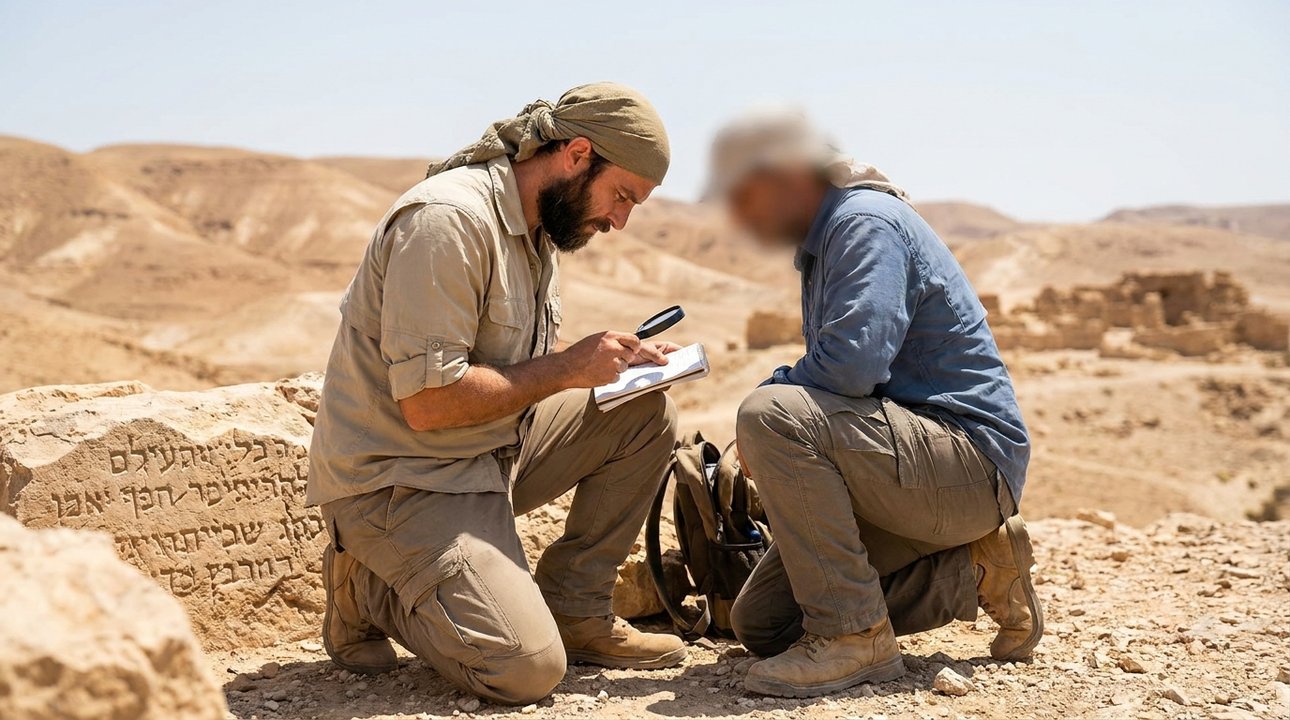
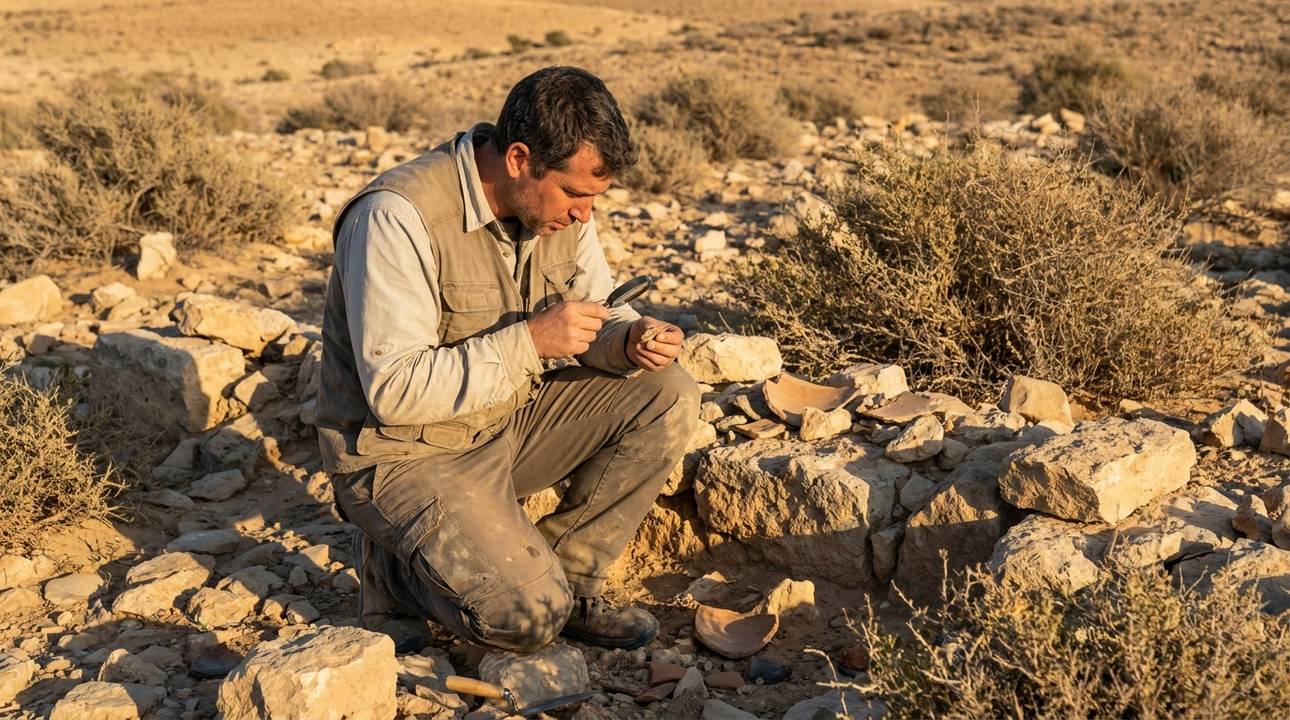
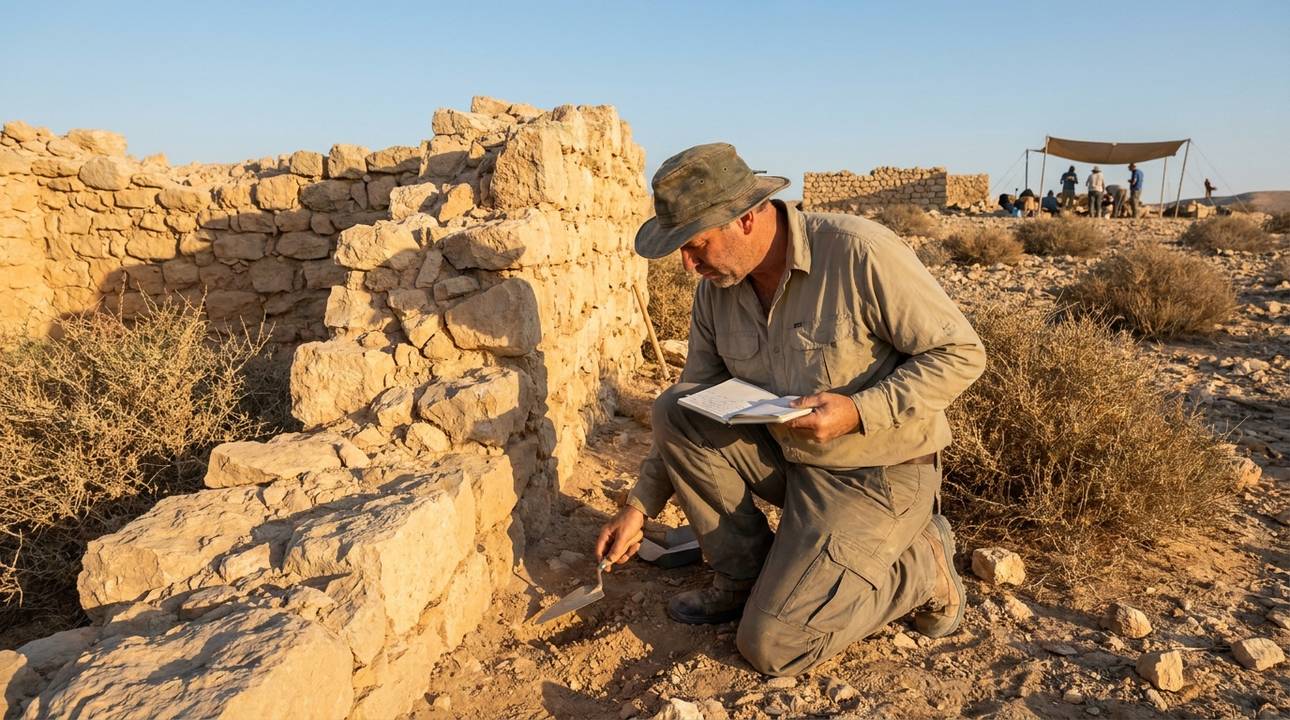
Modern archaeology has sought to locate and verify key sites within this area. Excavations have revealed inscriptions and pottery that provide insights into ancient life. These finds contribute to understanding the historical context of stories beyond literary analysis. Archaeological work underscores the area’s history, linking modern explorations with ancient narratives. Studying these remains helps unveil its role as a cultural and historical landscape, connecting us to the past.
Artifacts uncovered include pottery shards and inscriptions that date back to the time of the Israelites. These discoveries offer a glimpse into the daily lives and challenges faced by those who lived in or passed through this harsh environment. The ongoing archaeological efforts in the region not only enhance our understanding of events but also contribute to the broader narrative of human history in the area. This work is crucial in preserving and interpreting the cultural heritage of this region.
Zin in Present-Day Israel
Today, the area is part of Israel’s national parks, preserving its natural beauty and historical value. It offers a window into the landscape that played host to ancient episodes, such as the Israelites’ wanderings. The area has become an important site for education and research, attracting scholars and tourists alike who seek to understand its historical and cultural role. The park’s trails and interpretive signs guide visitors through this storied landscape, providing insights into events like the Israelites’ encampment.
The trails lead to sites where significant events occurred, such as striking the rock to bring forth water. This act is a sign of the challenges faced by the Israelites and their reliance on intervention. The preservation of this area as a national park ensures that these stories remain alive, offering a unique opportunity for visitors to walk in the footsteps of history. This connection to the past enriches the experience, making it more than just a natural excursion.
By conserving this region, present-day efforts ensure that its historical narratives remain accessible. The area continues to serve as an educational resource and a monument to the past, allowing visitors to connect with the stories and experiences of those who once walked its paths.
Organizations like the Israel Nature and Parks Authority work tirelessly to preserve the natural and historical integrity of this region, ensuring that its legacy endures for future generations. They maintain trails and provide educational programs that highlight the significance of this area.
This region is mentioned in historical texts, where the Israelites wandered and faced challenges such as finding water.
This historical context adds depth to the conservation efforts, as it is not just about preserving land but also safeguarding a site of immense cultural value. Visitors can explore the very paths that figures once traversed, offering a tangible connection to the past.
This preservation allows for a deeper understanding of the historical events that unfolded in this rugged landscape.
Cultural Role
Beyond its historical associations, this region holds cultural role for contemporary Israel. Its landscapes inspire modern literature and art, reflecting a deep connection to natural heritage. The stark beauty has been captured in countless works, merging ancient themes with modern expressions. Culturally, it symbolizes continuity, drawing from the echoes of history. This ongoing dialogue between past and present enriches both cultural identity and historical understanding.
The influence of this area extends beyond its historical role, inspiring artists and writers who seek to capture its unique beauty. The region’s landscapes have been depicted in various forms of art, celebrating its natural splendor.
This artistic expression serves as a bridge between the past and the modern world, highlighting the enduring connection between the people and the land. The area continues to be a source of inspiration and cultural reflection.
Understanding the Desert of Zin
