
Exploring the Impact of Peor

[ez-toc]
Peor is a notable location known for its associated worship practices, specifically the worship of Baal-peor. This site is mentioned in contexts that reveal cultural, religious, and historical insights.
For instance, historical texts detail the Israelites’ transgressions at Peor. The worship of Baal-peor is a significant event that highlights the challenges faced by the Israelites in maintaining their beliefs.
In this article, we will delve into the significance of Peor, exploring its historical references and long-lasting impact within Jewish tradition. The events at Peor serve as a cautionary tale of the consequences of idolatry.
They underscore the importance of remaining true to one’s beliefs amidst external pressures.
What Is Peor in the Bible?
Peor is first mentioned in narratives involving Balaam, a prophet from Mesopotamia. Located in the region near Moab, Peor was associated with the worship of Baal-peor.
This site is frequently cited in discussions about idolatry and turning away from religious practices. The worship of Baal-peor represents a significant challenge to the Israelites’ commitment to their beliefs.
The story of Balaam highlights the spiritual battles faced by the Israelites, emphasizing the dangers of succumbing to foreign influences and the importance of remaining steadfast in their beliefs.
This narrative serves as a reminder of the constant vigilance required to uphold one’s beliefs amidst external pressures.
The Geography of Peor
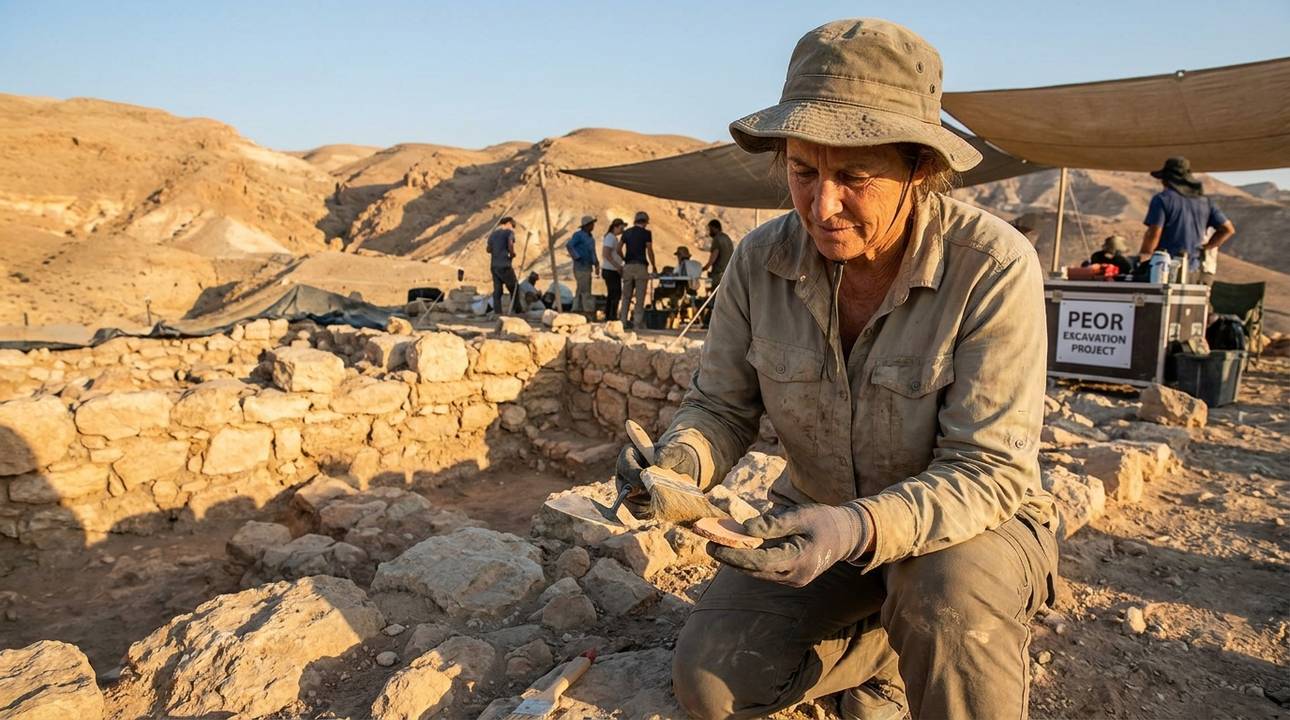
Peor was located in what is now part of modern-day Jordan, near the ancient Moabite territory. This area was strategically important as it sat near the Moabite lands.
Understanding the site’s location helps historians interpret historical events mentioned in ancient accounts. The geographical positioning of Peor played a crucial role in the interactions between different cultures.
The proximity to Moab made it a focal point for interactions between the Israelites and neighboring peoples, influencing the narratives of conflict and coexistence. This geographical context adds depth to the historical stories.
It also provides insight into the strategic considerations of ancient peoples in the region.
Peor in the Story of Balaam
The narrative of Balaam’s prophecy highlights Peor. Here, King Balak of Moab brought Balaam to curse Israel. However, Balaam’s attempts were thwarted, transforming Peor into a site of intervention. This event is significant as it marks a moment where attempts to harm Israel were overturned. Instead of cursing, Balaam praised Israel, saying, “How goodly are your tents, O Jacob! ” This unexpected turn of events at Peor demonstrates the protective hand over Israel, showcasing the power of faith and will. It is a sign of the belief that faithfulness can lead to unexpected positive outcomes.
The Worship at Baal-peor
Baal-peor was a manifestation of local god worship, specifically tied to the Moabite deity. The Israelites’ involvement with Baal-peor is detailed in historical texts, where they engaged in idolatrous practices that led to a divine plague.
This event highlighted the tension between adopting local customs and maintaining their covenantal beliefs. The worship of Baal-peor serves as a historical lesson on the consequences of straying from core beliefs.
The site symbolizes the struggles between following local practices and staying true to their identity. It serves as a historical lesson on the consequences of straying from core beliefs. This narrative is a reminder of the importance of maintaining one’s cultural and religious integrity.
Peor’s Legacy in Jewish Tradition
In Jewish tradition, Peor is often a reminder of the need for adherence to beliefs. The events associated with this site are used to teach lessons on devotion and the dangers of idolatry. As a cautionary symbol, Peor’s story is recounted in various teachings.
This narrative is a powerful example of the consequences of straying from commitments. It serves as a powerful example of the consequences of straying from commitments and the importance of steadfastness in beliefs.
The narrative underscores the need for vigilance in maintaining one’s path. It highlights the importance of remaining true to one’s beliefs despite external temptations.
Cultural Lessons from Peor
Culturally, Peor illustrates the tension between neighboring influences and the Israelites’ distinct cultural identity. The site is mentioned in Numbers 25, where the Israelites were led astray by Moabite women, highlighting the cultural challenges they faced.
This incident is a vivid example of the Israelites’ struggle to maintain their unique identity amidst foreign influences. The site serves as a reference point for discussions on purity and cultural integrity in Jewish thought.
The incident at Peor is often cited in teachings to emphasize the importance of maintaining cultural and religious boundaries. It underscores the necessity of vigilance in preserving one’s cultural heritage against external pressures.
Peor in Modern Interpretations
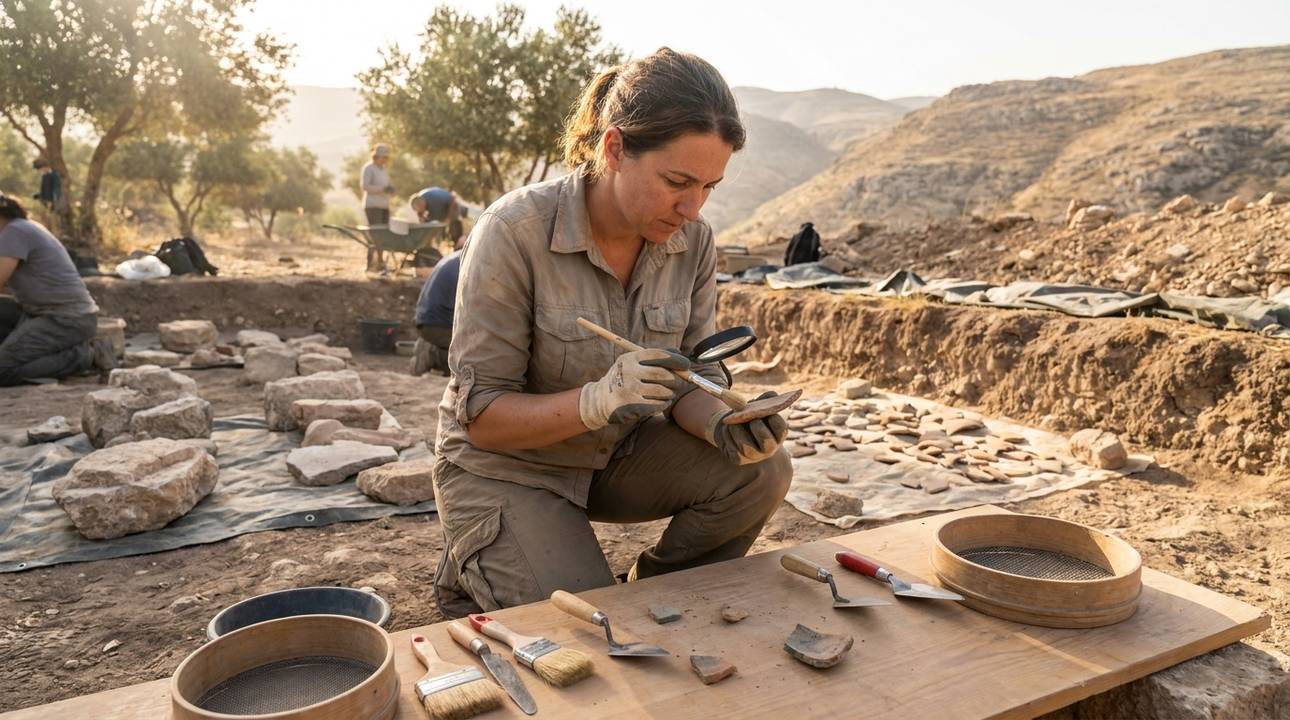
Peor remains a subject of study for historians today. Its stories are reflected upon for their moral lessons. The event where Israelites worshipped Baal of Peor is a key focus.
This act of idolatry led to severe consequences, including a plague that affected the community. Modern interpretations focus on understanding Peor’s historical context and its enduring lessons on faithfulness.
Scholars examine how these narratives inform present-day discussions on religious fidelity and cultural identity, emphasizing the timeless relevance of these ancient stories. The lessons from Peor continue to resonate in discussions about maintaining cultural integrity.
Conclusion: the Importance of Peor
Peor’s place in history provides rich material for scholarly examination and reflection. The events at Peor, particularly the worship of Baal, are detailed in historical texts.
Through understanding its story, readers gain insight into the complex interplay of history, beliefs, and identity preserved within Jewish tradition. This site serves as a reminder of the challenges faced in maintaining integrity amidst external pressures.
It invites reflection on the enduring struggle between cultural assimilation and fidelity.
Understanding Peor
