
Locating the City of David: Historical and Archaeological Insights

[ez-toc]
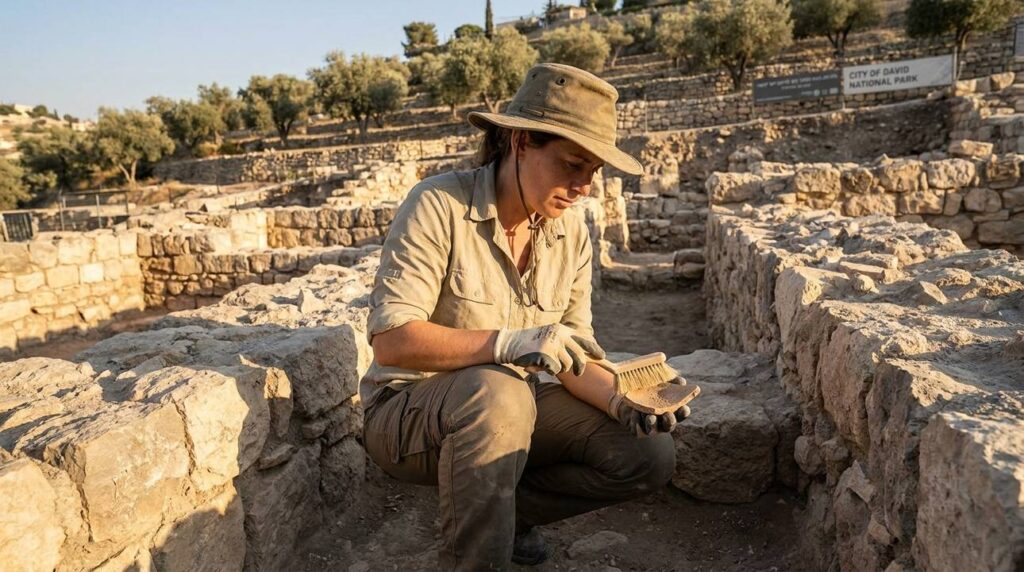
The City of David, located in modern Jerusalem, is renowned for its archaeological findings, offering insights into early history. Archaeologists have uncovered remnants dating back to the Bronze Age, providing evidence of continuous habitation. This area is often associated with the early chapters of Jerusalem’s history, making it a focal point for understanding the city’s origins.
The archaeological findings in the City of David, including remnants of fortifications and water systems, have offered major insights into its history and cultural connections. These artifacts provide a deeper understanding of its role in shaping the cultural landscape of Jerusalem. Preserving the site is essential for future generations to appreciate Jerusalem’s cultural heritage. Newly uncovered discoveries add depth to our understanding of the city’s early history and its role in shaping identity.
The strategic location of the City of David near the Gihon Spring was pivotal for its development as a thriving settlement. The Gihon Spring was a vital water source, ensuring the city’s growth and survival.
Ongoing archaeological work has unearthed structures like the Large Stone Structure and the Stepped Stone Structure.
These findings provide a window into the architectural and cultural advancements during the early period, enriching our understanding of the city’s history.
The Large Stone Structure offers insights into governance and social organization. The Stepped Stone Structure, a terraced building, may have supported significant buildings, indicating a sophisticated urban layout. Artifacts like pottery and inscriptions reveal the city’s past. Its strategic location made it a crucial center for trade and governance, highlighting its importance in history and its legacy.
What Is the City of David?
The City of David is the oldest part of Jerusalem, known as the original site where a significant kingdom was established. Located on a narrow ridge south of the Temple Mount, this area became the core of early Jerusalem. Covering about 12 acres, it served as the political and administrative center of the kingdom. Archaeological findings, including remnants of fortifications and water systems, have offered major insights into its history and cultural connections.
The strategic location of the City of David made it a crucial center for trade and governance in early history. Its proximity to the Gihon Spring, Jerusalem’s main water source, was vital for survival and prosperity.
The Large Stone Structure and Stepped Stone Structure reveal much about the city’s architectural sophistication. Inscriptions found here mention historical figures, linking the site to significant events.
This connection, combined with archaeological evidence, underscores its role as a political and cultural hub.
Among the notable discoveries in the City of David are the Large Stone Structure and the Stepped Stone Structure, a terraced building possibly supporting significant buildings. These findings, along with ancient inscriptions and pottery, provide a glimpse into the city’s past. Its strategic location made it a vital center for trade and governance. Proximity to the Gihon Spring, Jerusalem’s main water source, was crucial for survival and prosperity.
The Large Stone Structure and Stepped Stone Structure reveal much about architectural sophistication. Inscriptions found here mention historical figures, linking the site to significant events. This connection, combined with archaeological evidence, underscores the site’s role as a political and cultural hub. Ongoing excavations continue to deepen our understanding of its history, offering new insights into the lives of its early inhabitants.
Where Exactly Is the City of David?
The City of David is situated just outside the current Old City in Jerusalem. Specifically, it lies south of the Temple Mount, along the eastern slope of what is now known as Mount Zion. This location places it in the southern part of modern East Jerusalem.
It is a site of ongoing archaeological excavation, continually revealing layers of its past. Excavations have uncovered significant structures like the Large Stone Structure and the Siloam Tunnel.
The Siloam Tunnel, also known as Hezekiah’s Tunnel, was constructed to redirect water from the Gihon Spring into the city, ensuring a secure water supply during times of siege. This engineering feat is a sign of advanced planning and strategic importance. Archaeological findings provide a tangible connection to historical narratives, showing daily life, governance, and practices of early Jerusalem. Continuing excavations add depth to our understanding of this historic site.
The Siloam Tunnel, also known as Hezekiah’s Tunnel, was constructed to redirect water from the Gihon Spring into the city, ensuring a secure water supply during times of siege. This engineering feat is a sign of advanced planning and strategic importance. Archaeological findings provide a tangible connection to historical narratives, showing daily life, governance, and practices of early Jerusalem. Continuing excavations add depth to our understanding of this historic site.
The strategic location near the Gihon Spring was pivotal for the development of the City of David as a thriving settlement. The Gihon Spring was a vital water source, ensuring growth and survival.
Ongoing archaeological work has unearthed structures like the Large Stone Structure and the Stepped Stone Structure.
These findings provide a window into the architectural and cultural advancements during the early period, enriching our understanding of the city’s history.
History of the City
Known as the capital of a significant kingdom, the City of David holds profound historical importance. The city became the center of early life, culture, and governance.
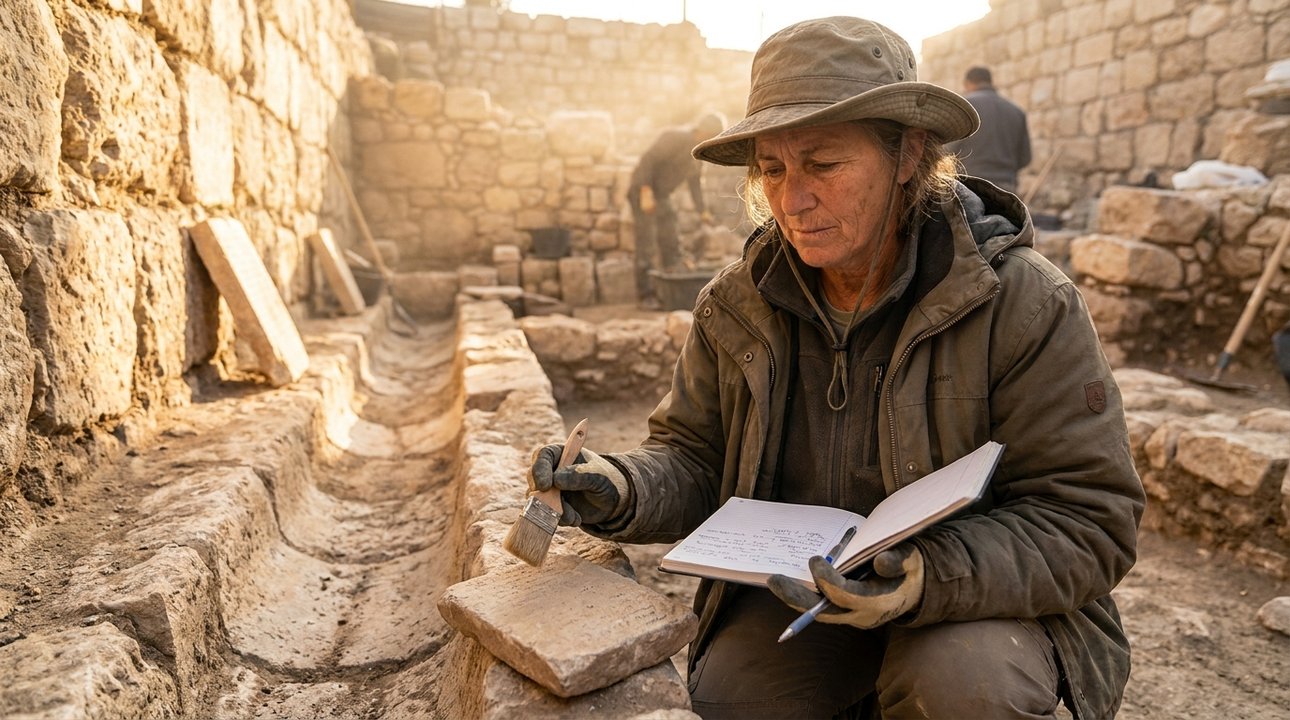
Artifacts unearthed here have provided evidence of its prominence during the First Temple period. Among these finds are bullae, or clay seals, bearing names of officials mentioned in historical texts.
These bullae offer a tangible link to historical narratives, confirming the existence of figures and events described in historical texts. The strategic location and role as a political hub are further evidenced by the remains of fortifications and public buildings. The legacy of the City of David as a center of governance continues to be explored through ongoing archaeological efforts. Each new find adds to the mix of history that defines this site, deepening our connection to the past.
The discovery of these bullae offers a tangible link to historical narratives, confirming the existence of figures and events described in historical texts. The strategic location and role as a political hub are further evidenced by the remains of fortifications and public buildings. The legacy of the City of David as a center of governance continues to be explored through ongoing archaeological efforts. Each new find adds to the mix of history that defines this site, deepening our connection to the past.
Archaeological discoveries in the City of David, including structures and artifacts, provide a deeper understanding of the site’s history. These findings illuminate daily life, governance, and practices of early Jerusalem. Preservation of the site is essential for future generations to appreciate Jerusalem’s cultural heritage. New discoveries continue to add depth to our understanding of the city’s early history and its role in shaping identity.
Archaeological Findings in the City of David
Excavations within the City of David have uncovered structures like the stepped stone structure. Other significant finds include ancient fortifications, cisterns, and the famous Hezekiah’s Tunnel.
These discoveries offer a glimpse into the engineering prowess and daily life during early periods. The site illustrates the bustling activity of an early city.
Hezekiah’s Tunnel, in particular, is a marvel of ancient engineering, designed to secure water supply during sieges.
Cultural Impact of the City of David
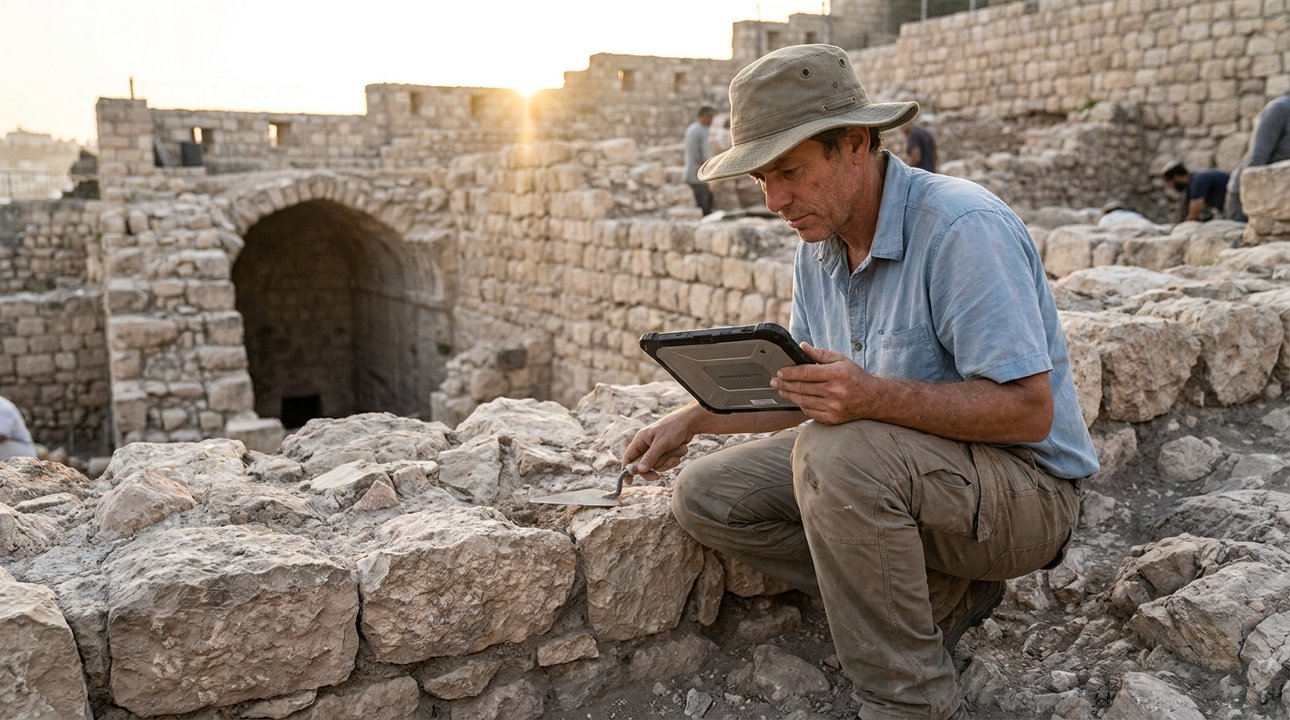
The City of David is a vital cultural landmark for identity and heritage. It serves as a reminder of the history embedded in the landscape of Jerusalem. Visitors to the excavation sites often trace historical stories, connecting the past with their cultural beliefs today. The city continues to hold symbolic significance in thought and tradition.
Ongoing archaeological work in the City of David provides insights into early society and its cultural narratives. These discoveries enrich our understanding of identity and history. The site’s connection to historical figures and events makes it a focal point for those seeking to connect with their heritage. As archaeological work progresses, the City of David remains a living sign of the legacy of Jerusalem as a center of history.
Exploration of the City of David allows for a deeper understanding of its role in shaping the cultural landscape of Jerusalem. The site’s connection to historical figures and events makes it a focal point for those seeking to connect with their heritage. As archaeological work progresses, the City of David remains a living sign of the legacy of Jerusalem as a center of history. Its preservation is essential for future generations to appreciate the importance of this site.
The archaeological findings in the City of David, including structures and artifacts, provide a tangible connection to historical narratives. These discoveries offer insights into daily life, governance, and practices of early Jerusalem.
Preservation of the site is essential for future generations to appreciate Jerusalem’s cultural heritage. New discoveries continue to add depth to our understanding of the city’s early history and its role in shaping identity.
Present-Day City of David
Today, the City of David is an active archaeological site and a major tourist attraction in Jerusalem. Managed by the Ir David Foundation, the area is open to the public, offering guided tours and educational programs. Visitors can explore the ancient water systems, including Hezekiah’s Tunnel, and see remnants of the city’s fortifications. While it is an area of significant historical exploration, it remains a site of scholarly interest and public fascination. Efforts to uncover its story continue as both locals and scholars strive to preserve and understand its legacy.
The City of David offers a unique window into the past, where visitors can walk through early streets and imagine life during historical times. Educational programs provide insights into the site’s history, connecting the archaeological findings with historical narratives.
Preservation of this historical area is crucial for future generations to appreciate Jerusalem’s cultural heritage. New discoveries continue to add depth to our understanding of the city’s early history and its role in shaping identity.
The archaeological findings in the City of David, including structures and artifacts, provide a tangible connection to historical narratives. These discoveries offer insights into daily life, governance, and practices of early Jerusalem.
Preservation of the site is essential for future generations to appreciate Jerusalem’s cultural heritage. New discoveries continue to add depth to our understanding of the city’s early history and its role in shaping identity.
Why Is the City of David Important?
The City of David is crucial for understanding the history of Jerusalem and early Israel. Its archaeological findings provide concrete connections to historical events, making it a key location for studies.
Excavations have uncovered structures like the Siloam Tunnel, which was built to secure water supply during sieges. Exploration of the site supports the significance of Jerusalem as the cradle of early monotheism and the capital of early Israel.
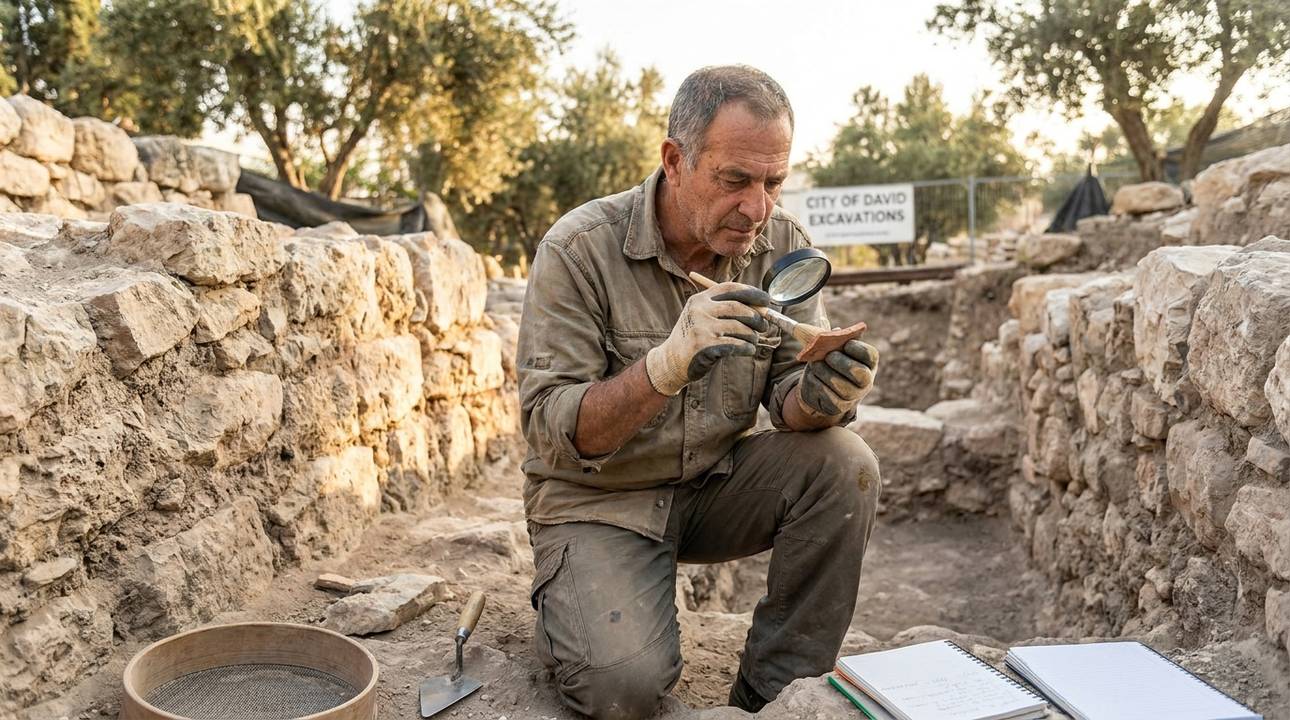
The discovery of clay seals, or bullae, bearing names of historical figures, further solidifies its historical importance.
A symbol of national heritage, the City of David continues to intrigue visitors and historians alike. The site’s connection to historical figures adds to its allure. Ongoing archaeological work not only enhances our understanding of early society but also enriches the cultural narratives that define identity today. The City of David remains a sign of the legacy of Jerusalem as a center of history.
Archaeological discoveries in the City of David, including structures and artifacts, provide a deeper understanding of the site’s history. These findings illuminate daily life, governance, and practices of early Jerusalem. Preservation of the site is essential for future generations to appreciate Jerusalem’s cultural heritage. New discoveries continue to add depth to our understanding of the city’s early history and its role in shaping identity.
Common Questions About the City of David
